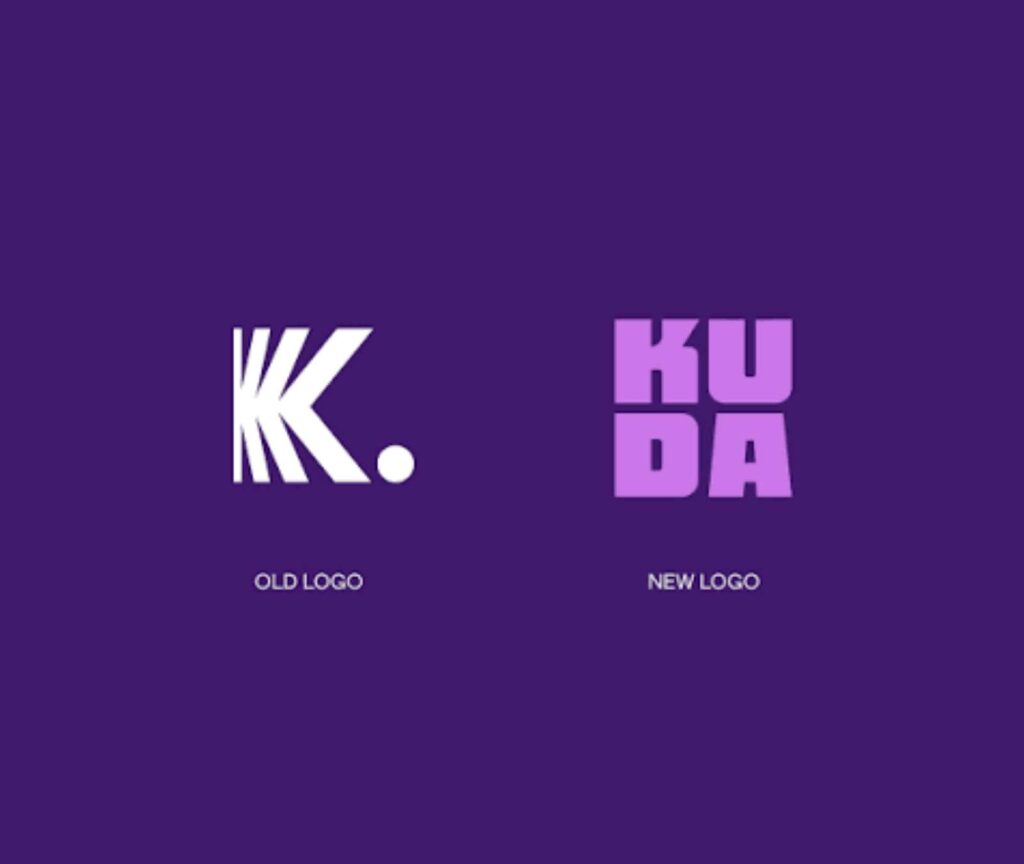
Fintech giant KUDA has made a strategic, bold decision with potentially significant cost: to replace its established logo with a wordmark.
Much of the conversation around the change has centred on design: aesthetics, simplicity and whether the new logo is better than the old one. But from a corporate identity perspective, the more consequential question is: what is Kuda asking its new identity to do for the business? Kuda has confirmed its new logo but has not, to my knowledge, publicly stated the reason for the change. My reading of the decision is therefore an informed interpretation.
Making KUDA – the name itself the dominant visual identifier turns the corporate name into the principal recognition device. Kuda appears to be making its name do more of the work traditionally performed by a symbol. That becomes particularly interesting in Nigeria, for one significant reason: a wordmark is hardly ever considered a significant strategic decision in corporate identity.
The Nigerian fintech ecosystem provides important context. A 2025 Nigeria FinTech Survey placed OPay at 63.9% of surveyed users, PalmPay at 15.3%, Kuda at 9.75% and Moniepoint at 6.53%. These are not conventional market shares, and the survey acknowledges regional skew, but they illustrate the difference in consumer presence. Kuda, meanwhile, has substantial scale, with more than seven million customers and over 300 million transactions worth ₦14.3 trillion processed in Q1 2025. The issue, therefore, may not be whether Kuda is known, but whether Kuda resounds sufficiently deeply in everyday financial vocabulary.
For context, OPay, for example, has achieved something extremely valuable: its corporate name has become embedded in the vocabulary of the category. People can say “OPay” when they mean a transfer, payment, POS service or even, in some instances, a digital financial service. That linguistic and cultural penetration is difficult to manufacture through advertising alone. I believe Kuda may be strategically attempting something similar through its identity. I would describe the objective as increasing the acoustic and visual salience of the name KUDA. The customer encounters KUDA on the app, KUDA on the card, KUDA Business, KUDA in advertising and KUDA across partnerships and other touchpoints. Each encounter becomes another announcement of the business name.
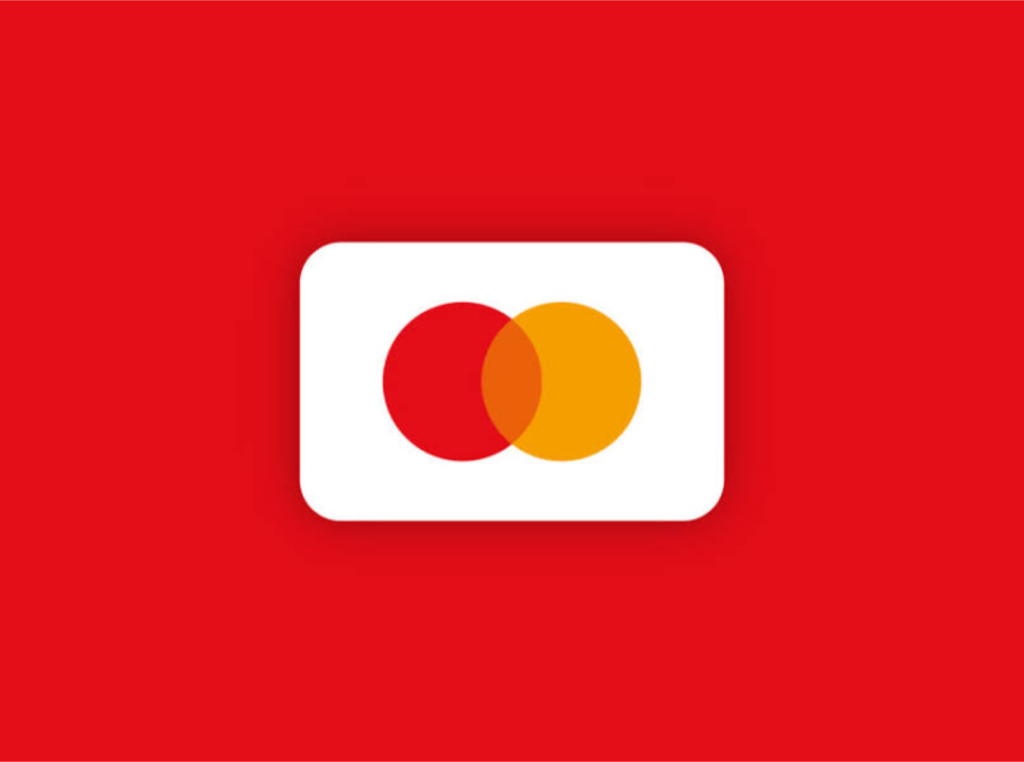
This makes Kuda particularly interesting when placed against Mastercard. Mastercard went in almost the opposite direction. In 2019, it removed its name from its iconic mark in many contexts because more than 80% of people in its research spontaneously recognised the symbol without “Mastercard.” Mastercard had accumulated sufficient symbolic equity for the mark to stand alone. Kuda may be pursuing the reverse: rather than allowing a symbol to replace the name, make the name itself increasingly powerful as the identifier. The rebrand is therefore a bold move. The old logo was itself a significant business asset. An established identity accumulates recognition, associations, distinctiveness, goodwill and, where protected, intellectual property value. Its value is not what it cost to design; it is the commercial equity accumulated through years of market exposure and customer experience. To relinquish such an asset is a significant decision and costs considerably more than producing a new logo. There is a lesson here for businesses in Nigeria and across Africa that have not yet built an identity asset anywhere near this scale, impact or collateral value, including its potential financial and commercial value. My experience is that many businesses are averse to change even when their existing logo has remained counterproductive to their vision and corporate positioning. Kuda demonstrates something different: going better should be desirable, even when better means relinquishing the old for one that serves the business more effectively.
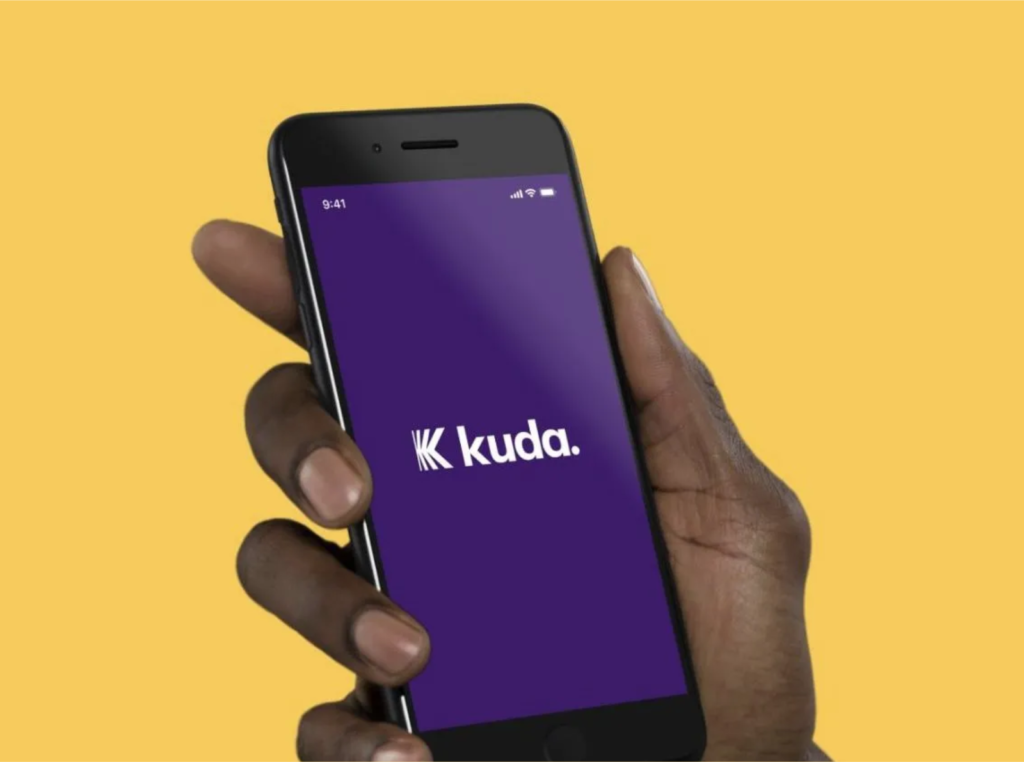
My expert view is that this is why Kuda’s new identity should be discussed beyond whether it is aesthetically superior because the more interesting question is whether it can help close the gap between business scale and cultural ubiquity. In that context, the wordmark can become a market instrument for building ecosystem equity: converting recognition into recall, recall into familiarity and familiarity into habitual association.
As a corporate identity consultant, I find the Kuda example particularly instructive because it reinforces what I consider the North Star of corporate identity: making strategic identity decisions that serve the business, while deliberately creating, protecting and stewarding the identity to build distinction, preserve accumulated equity and create value over time. The question, then, is not simply whether Kuda has changed how it looks, but what it intends its new identity to achieve for the business. It may be deliberately changing how deeply the name KUDA lives in the market.